14 jun 2020
Eifel
In 2013, it was estimated that 92% of movie theatres in the United States had converted to digital, with 8% still playing film.
Although usually more expensive than film projectors, high-resolution digital projectors offer many advantages over traditional film units. For example, digital projectors contain no moving parts except fans, can be operated remotely, are relatively compact and have no film to break, scratch or change reels of. They also allow for much easier, less expensive, and more reliable storage and distribution of content. All-electronic distribution eliminates all physical media shipments. There is also the ability to display live broadcasts in theaters equipped to do so.
11 jun 2020
Filming Nature
A nature documentary or wildlife documentary is a genre of documentary film or series about animals, plants, or other non-human living creatures, usually concentrating on video taken in their natural habitat but also often including footage of trained and captive animals. Sometimes they are about wildlife or ecosystems in relationship to human beings. Such programmes are most frequently made for television, particularly for public broadcasting channels, but some are also made for the cinema medium. The proliferation of this genre occurred almost simultaneously alongside the production of similar television series.
Magic Lantern Slides
Magic lantern slides brought the world to life in pictures. The first lantern slides were created in the 1600s, around 200 years before photography was invented and they provided spectacular entertainment and education in the way that cinema does today. The first slides were made by painting images on to small pieces of glass and people viewed the slides by shinning candlelight or gaslight through them.
10 jun 2020
David Lynch Teaches Creativity and Film
9 jun 2020
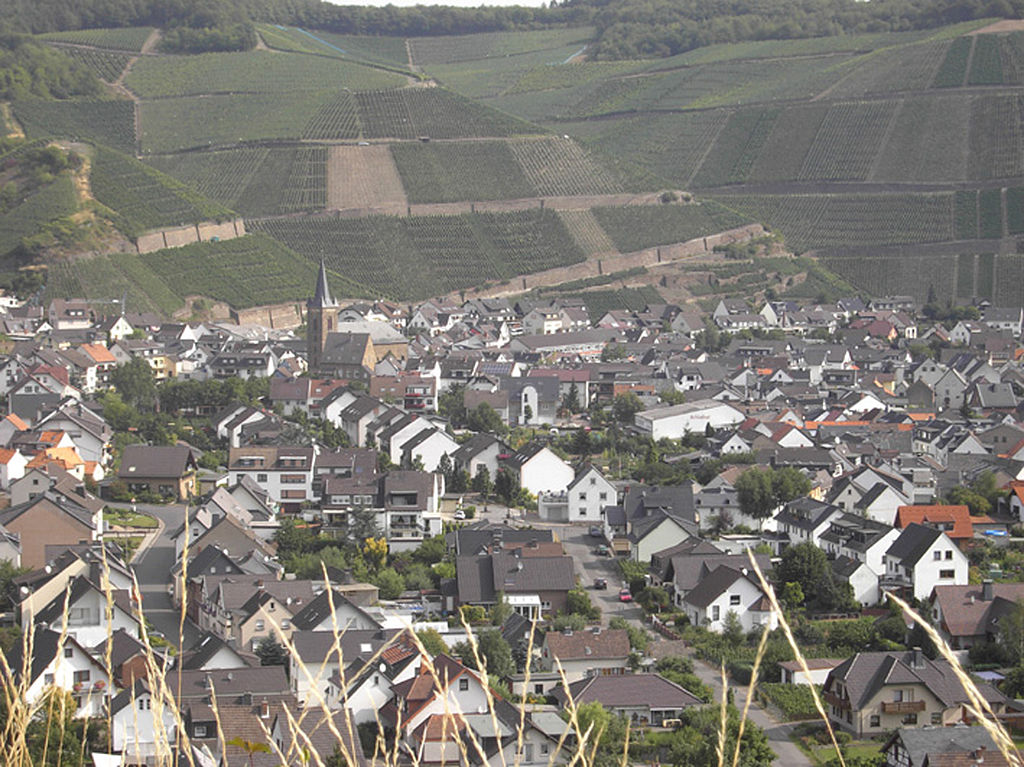
Ahr Valley
Filmmaking involves a number of discrete stages including an initial story, idea, or commission, through scriptwriting, casting, shooting, editing, and screening the finished product before an audience that may result in a film release and exhibition.
Groningen across
A film transition is a technique used in the post-production process of film editing and video editing by which scenes or shots are combined. Most commonly this is through a normal cut to the next shot. Most films will also include selective use of other transitions, usually to convey a tone or mood, suggest the passage of time, or separate parts of the story. These other transitions may include dissolves, L cuts, fades (usually to black), match cuts, and wipes.
8 jun 2020
Editing Nostalgia
Before the widespread use of digital non-linear editing systems, the initial editing of all films was done with a positive copy of the film negative called a film workprint (cutting copy in UK) by physically cutting and splicing together pieces of film. Strips of footage would be hand cut and attached together with tape and then later in time, glue. Editors were very precise; if they made a wrong cut or needed a fresh positive print, it cost the production money and time for the lab to reprint the footage. Additionally, each reprint put the negative at risk of damage. With the invention of a splicer and threading the machine with a viewer such as a Moviola, or "flatbed" machine such as a K.-E.-M. or Steenbeck, the editing process sped up a little bit and cuts came out cleaner and more precise.
Delfzijl
A shot in which the camera moves alongside or parallel to its subject. Traditionally tracking shots are filmed while the camera is mounted on a track dolly and rolled on dedicated tracks comparable to railroad tracks, In recent years, however, parallel camera moves performed with a Steadicam, gimbal, etc. may also be called a tracking shot. Tracking shots often "follow" a subject while it is in motion: for instance, a person walking on a sidewalk seen from the perspective of somebody walking on a parallel path several feet away. Shots taken from moving vehicles that run parallel to another moving object are also referred to as tracking or traveling shots. A tracking shot may also be curved, moving around its subject in a semi-circular rotation, known specifically as an arc or arc shot.
6 jun 2020
The North: Norway & Sweden
5 jun 2020
Groningen City
.